Emergency Spice Substitutes: What to Use When You Run Out of Cumin, Cardamom, Coriander, or Garam Masala
On this page 0 sections
Executive Culinary Master & Substitution Summary
You are halfway through preparing a rich beef chili, a delicate cardamom pastry, or an authentic Indian chicken tikka masala, and you open your spice rack only to discover an empty jar. Do not panic, and do not abandon the dish.
Spices share botanical families and overlapping aromatic terpenes. By understanding the flavor wheel chemistry (terpenes like cuminaldehyde, linalool, cineole, and cinnamaldehyde), you can craft seamless, restaurant-grade emergency substitutions using pantry staples you already own. In this comprehensive culinary manual, discover exact conversion ratios for cumin, green cardamom, ground coriander, and garam masala, alongside our 60-second scratch garam masala formula and the strict flavor rules on when not to substitute.
Table of Contents: Emergency Substitution Guide
- 1. The Science of Spice Synergy: Botanical Terpene Families
- 2. Best Cumin Substitutes in Chili, Tacos, Soups & Curries
- 3. Best Cardamom Substitutes in Scandinavian Baking & Savory Rice
- 4. Best Ground Coriander Substitutes: Bridging Floral & Citrus Notes
- 5. The 60-Second Scratch Garam Masala: Ratio & Recipe
- 6. Master Quick-Reference Substitution Chart (Ratios & Flavor Impacts)
- 7. The Culinary Red Lines: When Omitting is Better Than Ruining the Dish
- 8. Frequently Asked Questions (FAQ)
1. The Science of Spice Synergy: Botanical Terpene Families
Professional culinary substitution is never guesswork—it is applied botanical organic chemistry. Spices derive their signature aromas and gustatory impact from volatile organic compounds called essential terpenes and phenylpropanoids:
- The Apiaceae Family (The Earth & Citrus Umbrella): Cumin (Cuminum cyminum), Coriander (Coriandrum sativum), Caraway (Carum carvi), and Fennel (Foeniculum vulgare) belong to the exact same botanical family. They share backbone terpenes: cumin is dominated by earthy cuminaldehyde, coriander by bright citrusy linalool, and caraway by warm woody carvone. When you run out of one, pairing another Apiaceae seed with a complementary acid or earth note recreates the sensory profile.
- The Zingiberaceae Family (The Warm Camphorous Matrix): Cardamom (Elettaria cardamomum) and Ginger (Zingiber officinale) share high concentrations of 1,8-cineole (eucalyptol) and terpinyl acetate. Their bracing, herbal coolness balances rich culinary fats and sugary doughs.
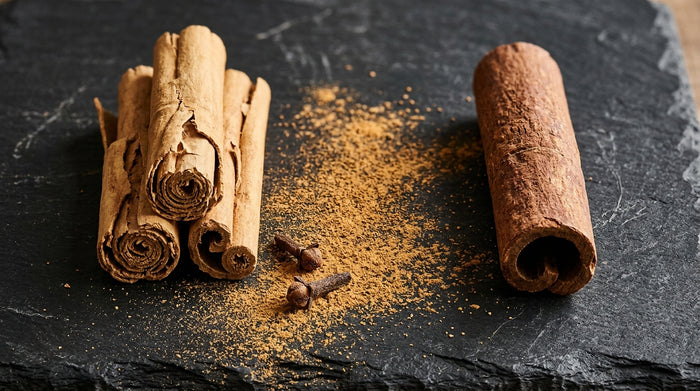
- The Phenylpropanoid Warmers (Cinnamon, Clove & Allspice): Cinnamon provides sweet woody cinnamaldehyde, while whole cloves provide intense numbing eugenol. Blending cinnamon and cloves instantly mirrors the exotic, floral warmth of high-grade cardamom quills.
2. Best Cumin Substitutes in Chili, Tacos, Soups & Curries
Cumin provides an earthy, warm, slightly bitter backbone that anchors Mexican chili con carne, taco seasonings, Middle Eastern hummus, and Indian tadkas. When you have zero cumin in the cabinet, use these four tested substitutes:
Ground Caraway Seeds
Conversion Ratio: Use 1/2 tsp ground caraway for every 1 tsp cumin.
Caraway is cumin's closest botanical cousin. It delivers the same warm, earthy, slightly anise-spiced undertone. Perfect for chilis, stews, roasted root vegetables, and meat rubs.
Commercial Chili Powder
Conversion Ratio: Use 1 tsp chili powder for every 1 tsp cumin.
American chili powder is not pure ground chilies—it is a pre-mixed blend of ground cumin, garlic, oregano, and chili pepper. Reduce extra salt and cayenne in your recipe to balance.
Ground Coriander + Smoked Paprika
Conversion Ratio: 1/2 tsp coriander + 1/4 tsp smoked paprika per 1 tsp cumin.
Coriander provides the sister Apiaceae botanical aroma, while smoked paprika replicates the wood-roasted earthiness of toasted cumin seeds without overwhelming heat.
Taco Seasoning Packet
Conversion Ratio: 1 tsp taco seasoning per 1 tsp cumin.
Ideal for ground beef, fajitas, and bean dips. Contains heavy cumin and onion powder. Omit added salt from the dish as commercial packets contain significant sodium.
3. Best Cardamom Substitutes in Scandinavian Baking & Savory Rice
Green cardamom (Elettaria cardamomum) is the world's third most expensive spice, renowned for its complex herbal-citrus, minty, resinous sweetness. It is essential in Swedish cardamom buns (kardemummabullar), chai, and biryanis.
The Golden Ratio: Cinnamon + Nutmeg + Clove Formula
Because cardamom is both warm-sweet and camphorous, single spices fall flat. This three-part blend replicates its exact multi-layered aroma:
• 1/2 Teaspoon Ground Cinnamon (warm woody sweetness)
• 1/4 Teaspoon Ground Nutmeg (nutty aroma & warmth)
• 1/4 Teaspoon Ground Ginger or Cloves (sharp eucalyptol freshness)
Pro Baking Tip: For Swedish buns, waffles, and apple crumbles, this blend performs so flawlessly that even experienced pastry chefs rarely notice the absence of whole cardamom.
4. Best Ground Coriander Substitutes: Bridging Floral & Citrus Notes
Ground coriander is made from the dried seed balls of the cilantro plant. Unlike fresh cilantro leaves (which contain soap-tasting aldehydes for some individuals), coriander seeds taste warm, citrusy, sweet, and nutty with high linalool notes.
- Cumin + Dried Lemon Zest (Ratio 1:1 with 1/4 tsp zest): The gold standard substitute. Cumin replaces the earthy Apiaceae base, while fresh or dried lemon/orange zest replicates the natural citrus linalool terpene.
- Ground Caraway (Ratio 1:1): Excellent in hearty stews, pork marinades, and rye breads where coriander's herbal warmth is required.
- Garam Masala (Ratio 1/2 tsp per 1 tsp coriander): Since traditional Indian garam masala already contains 35% to 45% ground coriander seeds, using half the requested volume delivers the coriander flavor along with complementary warming spices.
5. The 60-Second Scratch Garam Masala: Ratio & Recipe
Ran out of pre-packaged Garam Masala mid-curry? Commercial garam masala is simply an aromatic finishing blend of warming spices. You can assemble an authentic restaurant-grade garam masala right in a ramekin in 60 seconds using common pantry powders:
Emergency 60-Second Garam Masala Formula
Yield: 2 Tablespoons (Approx 20g) | Prep Time: 1 MinuteThe Exact Pantry Ratio:
- 1 Tablespoon: Ground Cumin Powder (earthy foundation)
- 1 1/2 Teaspoons: Ground Coriander Powder (citrus floral bridge)
- 1 Teaspoon: Ground Cardamom (or substitute 1/2 tsp cinnamon + 1/2 tsp nutmeg)
- 1/2 Teaspoon: Ground Black Pepper (Tellicherry coarse or fine)
- 1/2 Teaspoon: Ground Cinnamon (sweet warmth)
- 1/4 Teaspoon: Ground Cloves (intense eugenol heat)
- 1/4 Teaspoon: Ground Nutmeg (sweet nutty finish)
Method of Application:
Whisk together with a fork in a small bowl. Always sprinkle garam masala into curries, stews, and lentils during the final 2 to 3 minutes of cooking or right before serving. Long aggressive boiling destroys the volatile aromatic terpenes that give garam masala its signature perfumed finish.
6. Master Quick-Reference Substitution Chart (Ratios & Flavor Impacts)
Bookmark this definitive reference chart for instant mid-cooking substitution decisions:
| Missing Spice | Best Substitute Blend | Replacement Ratio | Culinary Flavor Adjustment |
|---|---|---|---|
| Ground Cumin (1 tsp) | Ground Caraway Seeds | 1/2 tsp | Slightly sweeter with mild anise note; start with half volume |
| Ground Cumin (1 tsp) | Chili Powder Blend | 1 tsp | Adds mild heat and garlic; reduce extra chili in recipe |
| Green Cardamom (1 tsp) | Cinnamon + Nutmeg | 1/2 tsp Cinnamon + 1/2 tsp Nutmeg | Replicates sweet herbal warmth in baking, buns & desserts |
| Ground Coriander (1 tsp) | Cumin + Lemon Zest | 1/2 tsp Cumin + 1/4 tsp Zest | Cumin provides earth, citrus zest supplies essential linalool |
| Garam Masala (1 tsp) | Cumin + Allspice | 1/2 tsp Cumin + 1/4 tsp Allspice | Allspice naturally combines clove, cinnamon, and nutmeg notes |
| Whole Cloves (4 pods) | Ground Allspice | 1/4 tsp Ground Allspice | Shares high eugenol content; prevents biting into hard clove heads |
7. The Culinary Red Lines: When Omitting is Better Than Ruining the Dish
Sometimes a bad substitution destroys hours of cooking. Knowing when not to substitute is the hallmark of an expert cook:
- Never substitute Curry Powder for Garam Masala: Standard Western curry powder is heavy in bitter turmeric (Curcuma) and fenugreek. Adding curry powder at the end of a dish will make it chalky, yellow, and unpleasantly bitter. Garam masala contains zero turmeric.
- Never substitute Black Cardamom for Green Cardamom in Baking: Black cardamom (Amomum subulatum) is dried over open wood fires and has a fierce, smoky, camphor-tar aroma meant for meaty goat stews and dal makhani. Adding black cardamom to sweet cardamom buns, puddings, or chai will make your dessert taste like an ashtray.
- Never substitute Fennel Seeds in Savory Chili con Carne: Fennel is rich in sweet anethole (licorice). Adding fennel instead of cumin makes Mexican chili taste like sweet Italian sausage pasta sauce. In chili, simply omit cumin or use a pinch of coriander instead.
8. Frequently Asked Questions (FAQ)
Can I use ground cumin instead of whole cumin seeds?
Yes. Use 1/2 to 3/4 teaspoon of ground cumin for every 1 teaspoon of whole cumin seeds. Because ground spices disperse instantly throughout the cooking oil rather than slowly infusing flavor as whole seeds do, add ground cumin with your onions or garlic rather than into sizzling hot oil to prevent burning.
What is the best substitute for cumin in taco seasoning?
The best substitute in taco meat is an equal mix of ground coriander and smoked paprika (1/2 tsp each per 1 tsp cumin), or simply doubling the chili powder and garlic powder in your taco meat.
Can I substitute fresh cilantro for ground coriander?
No. While they come from the same plant, cilantro leaves contain fresh herbaceous aldehydes, whereas coriander seeds contain warm, nutty, citrusy linalool terpenes. They cannot substitute for each other in cooked dishes. If you lack coriander powder, use ground caraway or a pinch of cumin instead.
What can I use if I don't have allspice?
Allspice tastes like a natural combination of cinnamon, nutmeg, and cloves. To replace 1 teaspoon of allspice, mix 1/2 teaspoon ground cinnamon + 1/4 teaspoon ground nutmeg + 1/4 teaspoon ground cloves.
Never Run Out Again: Stock Pure Single-Origin Indian Spices
Spice Nest procures and Sortex-cleans 100% pure cumin seeds, Alleppey green cardamom, coriander seeds, and whole spices directly from APMC mandis in Gujarat and Kerala. Cold-ground and hermetically sealed to preserve volatile essential oils for up to 3 years. Available in export containers (FOB/CIF Nhava Sheva) and retail pouches.
Frequently Asked Questions & Trade Specifications
What are the container export packaging and port terms for Emergency Spice Substitutes: What to Use When You Run Out of Cumin, Cardamom, Coriander, or Garam Masala?
What international quality and religious certifications accompany each batch?
How can commercial buyers request laboratory test reports and container quotes?
Explore Related Culinary Food Science & Spice Identification Guides
- Cinnamon Sourcing & Safety: Learn how to spot fake Cassia bark and avoid coumarin liver toxicity: Ceylon Cinnamon vs Cassia: The Science of Coumarin Toxicity & 4 At-Home Identification Tests .
- Food Science of Garlic: Ever wondered why garlic turns blue or green when cooking? Read our complete chemistry breakdown: Why Does Garlic Turn Green or Blue When Cooked or Pickled? Food Science & Safety Guide .
- Keto Baking Science: Discover why psyllium bread turns purple and how to prevent it: Why Does Psyllium Husk Bread Turn Purple? The Science of Keto Baking & Prevention .
Procure Export-Grade Indian Spices & Agro Commodities
Spice Nest delivers Buhler Sortex cleaned spices, sesame seeds & authentic culinary pastes with guaranteed purity, lab CoA & custom OEM private-label packaging worldwide.