Spice Nest
Mexican Seasoning
Mexican Seasoning
Mexican Seasoning Manufacturer & Exporter in India – Spice Nest
What Is Mexican Seasoning?
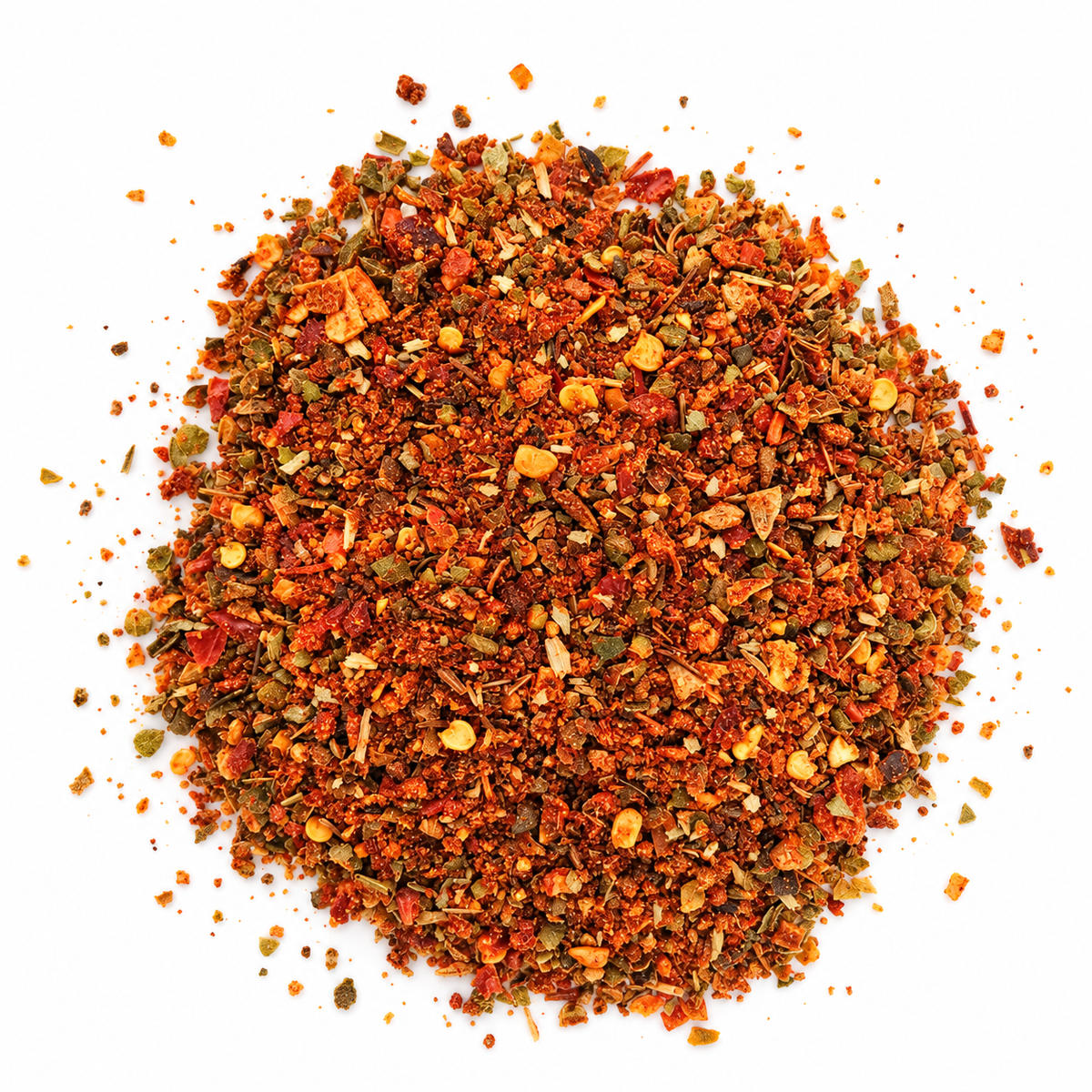
Mexican seasoning is a flavorful blend of herbs and spices commonly used to prepare Mexican-inspired and Tex-Mex dishes. It typically combines ingredients such as chilli, cumin, paprika, garlic, onion, oregano, and other aromatic spices to create a balanced savory, earthy, and mildly spicy flavor.
Also known as Mexican spice mix or Mexican seasoning powder, this versatile blend is used in tacos, burritos, nachos, fajitas, quesadillas, Mexican-style rice, roasted vegetables, and snack seasonings.
Spice Nest is an Indian food manufacturer and exporter based in Gujarat, serving retail, foodservice, wholesale, and international business customers. Businesses interested in Mexican seasoning can contact Spice Nest to discuss product availability, manufacturing requirements, bulk sourcing, private labeling, and export arrangements.
For commercial buyers, selecting the right Mexican seasoning involves evaluating the spice composition, heat level, flavor consistency, intended applications, packaging, and relevant food safety documentation.
Spice Nest Mexican Seasoning Specifications
| Specification | Product Information |
|---|---|
| Product Name | Mexican Seasoning |
| Brand Name | Spice Nest |
| Product Category | Herbs, Spices & Seasoning Blends |
| Product Type | Dry Seasoning Blend |
| Common Alternative Name | Mexican Spice Mix |
| Physical Form | Powder or Granular Blend, Subject to Confirmation |
| Typical Flavor Profile | Savory, Earthy, Spicy, Aromatic |
| Country of Company Operation | India |
| Business Type | Food Manufacturer & Exporter |
| Bulk Supply | Available for Enquiry |
| Private Label | Available for Enquiry |
| Custom Formulation | Subject to Technical Confirmation |
| Target Buyers | Restaurants, Wholesalers, Food Manufacturers, Distributors |
| Packaging | Based on Confirmed Product Availability |
| Shelf Life | Product-Specific Confirmation Required |
| Minimum Order Quantity | Available on Request |
The table presents general product characteristics and commercial enquiry options. Spice Nest's actual Mexican seasoning formulation, available pack sizes, technical specifications, and product manufacturing status should be confirmed before purchasing.
What Ingredients Are Commonly Used in Mexican Seasoning?
Mexican seasoning generally combines warm spices, chilli-based ingredients, and complementary herbs to produce an aromatic flavor suitable for Mexican-inspired recipes.
Common ingredients include:
Chilli Powder
Chilli powder contributes heat, color, and the characteristic chilli flavor associated with many Mexican-inspired seasoning blends.
Different chilli varieties can produce different levels of heat and flavor complexity.
Cumin Powder
Cumin provides warm, earthy, and slightly nutty notes. It is a familiar component of taco seasoning, fajita seasoning, and other Tex-Mex spice mixes.
Paprika
Paprika contributes a reddish color and a mild pepper flavor. Depending on the type used, it may add sweet, slightly hot, or smoky characteristics.
Garlic Powder
Garlic powder enhances the savory taste of seasoning blends. It complements grilled vegetables, beans, meat preparations, sauces, and savory snacks.
Onion Powder
Onion powder helps develop a rounded savory flavor and works well with garlic, cumin, chilli, and paprika.
Oregano
Oregano introduces herbal notes that complement many chilli- and cumin-based dishes.
Mexican oregano and Mediterranean oregano have different botanical and flavor characteristics, so buyers requiring a particular variety should confirm its inclusion.
Black Pepper
Black pepper may provide additional pungency and warmth without necessarily dominating the overall flavor.
Coriander
Ground coriander can add warm, mildly citrusy characteristics that complement cumin and other spices.
Additional Ingredients
Some seasoning blends also contain salt, sugar, chipotle chilli, cayenne pepper, acidity regulators, starches, or anti-caking ingredients.
These are common examples, not the confirmed Spice Nest Mexican Seasoning ingredient declaration. Obtain the current product specification before making ingredient, allergen, dietary, or nutritional claims.
Packaging & Customization
Bulk Mexican Seasoning Packaging
Bulk Mexican seasoning is relevant to commercial kitchens, food manufacturers, snack producers, foodservice distributors, and wholesalers requiring seasoning for repeated use.
Commercial packaging should protect the seasoning against moisture, contamination, and conditions that could affect its quality.
Businesses contacting Spice Nest can discuss:
-
Bulk ordering quantity
-
Preferred packaging weight
-
Food-grade packaging materials
-
Moisture-barrier requirements
-
Labeling and batch information
-
Export packaging specifications
-
Storage and transportation requirements
-
Delivery destination
For 5 kg, 10 kg, 20 kg, or 25 kg packs, buyers should request confirmation of the available format and commercial terms.
Retail and Private Label Packaging
Private label Mexican seasoning is relevant to food brands, importers, retail distributors, supermarkets, and businesses developing their own seasoning products.
Potential retail packaging formats include shaker bottles, jars, stand-up pouches, sachets, and suitable foodservice containers.
Spice Nest offers private-label services across its broader food product range and welcomes product-specific enquiries.
Buyers should discuss the proposed pack size, labeling requirements, brand artwork, packaging materials, market requirements, and expected order quantity.
Customized Mexican Seasoning Requirements
Different commercial applications may require different seasoning characteristics.
For example, a seasoning intended for taco fillings may not have the same functional requirements as a blend developed for tortilla chips or extruded snacks.
Buyers may enquire about:
-
Mild, medium, or hot flavor requirements
-
Chilli and cumin balance
-
Paprika and smoky flavor preferences
-
Salt level
-
Particle size and texture
-
Ingredient exclusions
-
Snack coating performance
-
Customer-specific flavor profiles
Custom formulation and processing capability must be confirmed before making commitments to customers.
Applications of Mexican Seasoning
1. Tacos and Taco Fillings
Mexican seasoning is commonly used to develop savory, spiced flavor in taco fillings.
It may be incorporated into ground meat, beans, paneer, vegetables, or other suitable ingredients.
Restaurants and food manufacturers can evaluate the blend with their intended cooking method and establish an appropriate quantity per batch.
2. Burritos and Wraps
Burritos and Mexican-inspired wraps frequently contain combinations of beans, rice, vegetables, sauces, cheese, and seasoned fillings.
Mexican seasoning can contribute complementary chilli, cumin, garlic, and herbal notes.
Foodservice operators should assess its compatibility with other ingredients, particularly where sauces and fillings already contain salt or chilli.
3. Nachos and Tortilla Chips
Mexican seasoning is relevant to nachos, tortilla chips, and Mexican-inspired snack formulations.
Depending on the blend, it can be evaluated as a topping, snack coating, or an ingredient in prepared nacho dishes.
Snack manufacturers should confirm its suitability for direct use on ready-to-eat foods and assess flavor distribution, powder adhesion, and texture.
4. Fajitas and Grilled Vegetables
Mexican-inspired seasoning blends may be used in fajita-style preparations containing grilled or sautéed vegetables, chicken, or other proteins.
Warm cumin, garlic, paprika, and chilli notes can complement peppers, onions, and suitable marinades.
Commercial kitchens should evaluate the seasoning during their standard preparation process.
5. Quesadillas
Quesadillas are commonly prepared with tortillas and fillings such as cheese, vegetables, beans, or meat.
Mexican seasoning can be incorporated into suitable fillings to provide savory spice and herbal flavor.
The amount used should complement the other ingredients rather than overpower the finished dish.
6. Mexican-Style Rice
Mexican-style rice dishes often incorporate tomato, onion, garlic, chilli, and other seasonings.
A suitable Mexican seasoning blend may help create a consistent savory flavor in restaurant and foodservice preparations.
The correct amount should be established through recipe trials.
7. Beans and Vegetarian Preparations
Beans, lentils, roasted vegetables, and plant-based fillings can be paired with chilli- and cumin-based seasoning blends.
Potential applications include seasoned black beans, kidney beans, chickpeas, vegetable bowls, and plant-based taco fillings.
The dietary suitability of the specific seasoning must be confirmed from its ingredient declaration.
8. French Fries and Potato Wedges
Mexican seasoning can be evaluated as a flavoring for fries, potato wedges, and other savory potato preparations.
For direct application after cooking, buyers must confirm the seasoning is suitable for that use.
Commercial kitchens should test coverage, seasoning quantity, and flavor intensity.
9. Snack Manufacturing
Food manufacturers may use Mexican-inspired seasoning profiles in:
-
Tortilla chips
-
Potato chips
-
Corn chips
-
Popcorn
-
Extruded snacks
-
Fryums
-
Roasted nuts
-
Savory crackers
-
Snack mixes
Manufacturers should assess adhesion, flavor distribution, stability, and the supplied seasoning's compatibility with their processing conditions.
10. Grilled Chicken and Meat Preparations
Mexican seasoning may be incorporated into marinades, dry rubs, and other savory preparations for chicken or meat.
The finished flavor depends on the seasoning formulation, marinade ingredients, cooking process, and quantity used.
Food businesses should complete application trials before adopting a formulation for regular production.
11. Soups, Stews, and Sauces
Mexican-inspired seasoning blends can be evaluated in bean soups, chilli-style stews, tomato sauces, and savory dips.
The blend should complement the recipe's existing ingredients, including any additional chilli, cumin, garlic, salt, or acidity.
Manufacturers should confirm how the seasoning performs during heating and processing.
12. Restaurants, Hotels, and Cloud Kitchens
Mexican seasoning may help commercial kitchens develop Mexican-inspired menu items and fusion recipes.
Potential applications include tacos, burritos, rice bowls, loaded fries, sandwiches, and vegetable fillings.
Standardized recipe testing can help kitchen teams reproduce the intended flavor across different batches.
Why Choose Spice Nest for Mexican Seasoning?
1. Indian Manufacturing and Export Experience
Spice Nest is an Indian food manufacturer and exporter working across spices, seasonings, sauces, cooking pastes, and other food products.
Commercial buyers can contact Spice Nest to discuss the seasoning type required, available product specifications, purchasing quantities, and destination markets.
2. Bulk Supply Enquiries
Businesses requiring Mexican seasoning for food manufacturing, commercial kitchens, or distribution can enquire about bulk supply options.
Share the expected purchasing volume and ordering frequency to help establish suitable commercial arrangements.
3. Private Label Opportunities
Spice Nest provides private-label services across its food product portfolio.
Businesses interested in developing branded Mexican seasoning can discuss available packaging services, target-market labeling, and product requirements.
4. Product Selection for Different Applications
Foodservice and manufacturing buyers should select a Mexican seasoning formulation based on its intended use.
Taco fillings, dry snack coatings, marinades, and ready-to-eat products can require different seasoning characteristics.
Product evaluation helps determine whether the available blend meets the intended application requirements.
5. Export-Oriented Food Business
Spice Nest works with international food buyers and offers export enquiry services.
Importers and distributors can discuss shipment destinations, quantities, available documentation, labeling requirements, and commercial terms.
6. Packaging and Branding Enquiries
Commercial customers can enquire about their preferred pack sizes, retail labeling, and packaging requirements.
Product-specific availability, production capabilities, and commercial terms should be confirmed before finalizing a purchase.
Quality, Safety & Product Information
Ingredient Specification
Mexican seasoning buyers should request the complete ingredient declaration and relevant technical information for the particular formulation.
Different blends may contain different combinations of spices, herbs, salt, and functional ingredients.
A documented specification helps commercial buyers evaluate suitability for food manufacturing and retail use.
Flavor and Heat Level
The flavor of Mexican seasoning varies according to its chilli varieties, cumin content, garlic, herbs, and other ingredients.
A seasoning described as Mexican-style does not automatically indicate a specific level of spiciness or smokiness.
Buyers should request product information and conduct sensory testing when required.
Allergen Information
The presence or absence of allergens must be confirmed through the actual ingredient declaration and relevant manufacturing information.
Do not assume that every Mexican seasoning is gluten-free, vegan, dairy-free, preservative-free, or free from allergens.
Any related claims should be supported by product-specific documentation.
Manufacturing Quality
Commercial buyers may require documentation relating to quality controls, food safety, ingredient traceability, and applicable testing.
Depending on the intended market, supplier assessment may involve:
-
Product specification
-
Ingredient declaration
-
Relevant microbiological testing
-
Allergen information
-
Moisture specifications
-
Shelf-life documentation
-
Batch or lot traceability
-
Applicable certifications
-
Certificate of Analysis, where available
Spice Nest's available documentation and certifications must be verified for the specific product and manufacturing facility.
Storage and Shelf Life
Dry seasoning blends generally require appropriate protection from moisture, excessive heat, and conditions that may affect flavor quality.
Storage requirements can vary according to ingredient composition and packaging.
Buyers should follow the instructions provided with the exact product and confirm its shelf life before placing a commercial order.
Mexican Seasoning for Businesses and Export Supply
Mexican Seasoning Manufacturer in India
Businesses looking for a Mexican seasoning manufacturer in India can enquire with Spice Nest about seasoning development, product availability, processing capabilities, and commercial requirements.
Specify the intended food application, required flavor characteristics, packaging, and anticipated purchasing quantity.
Mexican Seasoning Supplier for Wholesalers
Wholesale distributors and food ingredient traders may source Mexican seasoning for restaurant customers, retail channels, or other food businesses.
Supplier evaluation should consider product quality, packaging requirements, pricing, ordering terms, and delivery arrangements.
Bulk Mexican Seasoning for Food Manufacturers
Food manufacturers may evaluate Mexican seasoning for chips, extruded snacks, prepared meals, sauces, marinades, and other savory products.
The correct seasoning grade should be selected according to the final product's processing conditions and sensory requirements.
Mexican Seasoning Exporter for International Buyers
Overseas buyers interested in Mexican seasoning sourcing from India can contact Spice Nest with their destination market and commercial requirements.
Product availability, export documentation, shipping arrangements, and compliance responsibilities should be confirmed before an order is accepted.
Private Label Mexican Seasoning for Food Brands
Private-label Mexican seasoning is relevant to companies creating branded spices, cooking ingredients, and snack seasoning products.
Businesses should establish the approved product specification, artwork, packaging, labeling responsibilities, and order requirements before commercial production.
Frequently Asked Questions About Mexican Seasoning
1. What is Mexican seasoning?
Mexican seasoning is a dry blend of herbs and spices used to flavor Mexican-inspired and Tex-Mex dishes. It commonly contains ingredients such as chilli, cumin, paprika, garlic, onion, and oregano. It can be used in tacos, burritos, nachos, fajitas, rice, and other savory preparations.
2. What ingredients are usually in Mexican seasoning?
Common Mexican seasoning ingredients include chilli powder, cumin, paprika, garlic powder, onion powder, oregano, and black pepper. Some formulations also contain coriander, salt, chipotle, cayenne, or other ingredients. Exact recipes vary between manufacturers.
3. What does Mexican seasoning taste like?
Mexican seasoning often has a warm, savory, earthy, and mildly spicy taste. Its flavor depends on the ingredients and their proportions. Some blends are chilli-forward, while others emphasize cumin, garlic, or smoky notes.
4. Is Mexican seasoning spicy?
Mexican seasoning can be mild, medium, or hot. The level of heat depends on the quantity and type of chilli ingredients used. Buyers should verify the specific product's flavor profile rather than assume a fixed spice level.
5. Is Mexican seasoning the same as taco seasoning?
Not always. Mexican seasoning is a broad term covering different Mexican-inspired spice blends. Taco seasoning is generally developed for taco fillings and may include specific ratios of chilli, cumin, garlic, salt, and functional ingredients. The two can overlap but are not necessarily identical.
6. What is the difference between Mexican seasoning and fajita seasoning?
Both are Mexican-inspired or Tex-Mex seasoning categories that often contain chilli, cumin, garlic, and paprika. Fajita seasoning is typically designed for grilled or sautéed fillings, while Mexican seasoning can refer to a wider variety of formulations and applications.
7. Can Mexican seasoning be used for tacos?
Yes. A suitable Mexican seasoning blend can be used to flavor taco fillings made with meat, beans, vegetables, paneer, or other ingredients. The quantity required depends on the formulation and recipe.
8. Can Mexican seasoning be used for nachos?
Yes. Mexican-inspired seasoning blends are commonly used with nachos and tortilla-based snacks. Commercial buyers should confirm whether the supplied seasoning is appropriate for sprinkling directly over finished food.
9. Can Mexican seasoning be used for burritos?
Yes. Mexican seasoning may be incorporated into burrito fillings containing rice, vegetables, beans, or meat. It adds savory spice notes that can complement the other ingredients.
10. Is Mexican seasoning suitable for chicken?
Mexican seasoning can be evaluated for chicken marinades, dry rubs, and cooked chicken preparations. The appropriate amount depends on the blend, cooking method, and other ingredients.
11. Can Mexican seasoning be used for French fries?
Yes, suitable Mexican-style seasoning blends may be used to flavor French fries and potato wedges. Buyers should confirm direct-application suitability and test the seasoning quantity and distribution.
12. Can Mexican seasoning be used in snack manufacturing?
Yes. Mexican seasoning profiles can be used in chips, popcorn, extruded snacks, crackers, and similar savory food products. Manufacturers must select a suitable formulation and assess its performance in the intended process.
13. Is Mexican seasoning vegetarian or vegan?
A Mexican seasoning may be vegetarian or vegan depending on its ingredients and manufacturing conditions. The product name alone does not establish dietary suitability. Request the complete ingredient and relevant allergen information.
14. Does Mexican seasoning contain salt?
Some Mexican seasoning blends contain salt, while others are formulated without added salt. Buyers should check the actual ingredient declaration and nutrition information before using the product in recipes with specific salt requirements.
15. How much Mexican seasoning should I use?
The ideal amount depends on the seasoning's strength, salt content, food quantity, and recipe. Follow product-specific guidance and conduct recipe trials to establish an appropriate quantity.
16. Can I buy Mexican seasoning in bulk from Spice Nest?
Businesses can contact Spice Nest to enquire about Mexican seasoning availability, bulk purchasing requirements, quantities, packaging, and commercial terms. Product-specific supply arrangements must be confirmed in the quotation.
17. Is private label Mexican seasoning available?
Spice Nest offers private-label services for food products. Buyers interested in Mexican seasoning under their own brand can submit their packaging, formulation, labeling, and order requirements for assessment.
18. What packaging options are available for Mexican seasoning?
Mexican seasoning is commonly sold in retail pouches, shaker containers, foodservice packs, and bulk packaging. Available Spice Nest packaging formats, pack weights, and labeling options require product-specific confirmation.
19. What is the shelf life of Mexican seasoning?
Shelf life depends on the ingredients, moisture characteristics, processing, packaging, and storage conditions. Buyers should obtain the product-specific shelf-life declaration and storage instructions before purchasing.
20. Why choose Spice Nest for Mexican seasoning export enquiries?
Spice Nest is an Indian food manufacturer and exporter offering services for business buyers, including bulk product enquiries, private labeling, and international sourcing discussions. Businesses can contact the team to evaluate Mexican seasoning availability, specifications, packaging, documentation, and commercial supply terms.
Enquire About Spice Nest Mexican Seasoning
Looking for a Mexican Seasoning Manufacturer and Exporter in India?
Connect with Spice Nest to discuss your Mexican seasoning requirements for restaurants, food manufacturers, wholesale distributors, snack producers, private-label brands, and international food businesses.
Whether your business needs Mexican-inspired seasoning for tacos, nachos, tortilla chips, burritos, sauces, or commercial food production, share your intended application and purchasing requirements with our team.
To request product information or a commercial quotation, provide:
-
Required product and seasoning type
-
Intended food application
-
Expected purchasing quantity
-
Preferred packaging format
-
Destination country
-
Any special technical or labeling requirements
Contact Spice Nest for Mexican Seasoning Product Enquiries, Bulk Supply Discussions, and Export Quotations.