Spice Nest
Oregano
Oregano
Oregano Manufacturer & Exporter in India – Spice Nest
What Is Oregano?
Oregano is an aromatic culinary herb widely used in Italian, Mediterranean, and international cuisines. Known for its distinctive earthy, mildly peppery, and pleasantly herbal flavor, oregano enhances the taste and aroma of pizza, pasta, tomato sauces, soups, salads, marinades, and numerous savory preparations.
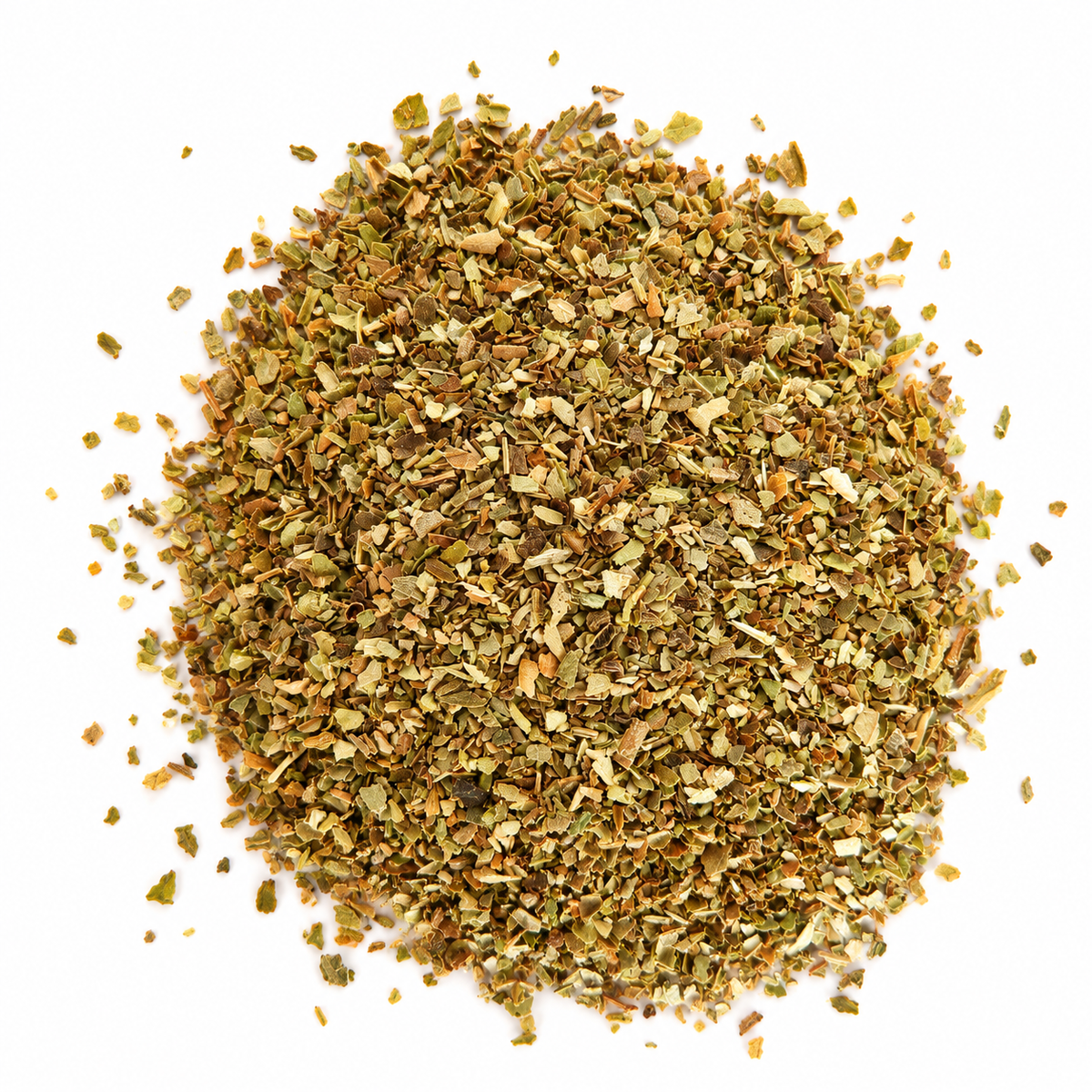
Oregano is commonly available in dried leaf, crushed, rubbed, and ground forms. Dried oregano is particularly useful in commercial kitchens and food processing because it provides concentrated herbal flavor and can be incorporated into a wide variety of recipes.
Spice Nest is an Indian food manufacturer and exporter offering herbs, spices, and related products for commercial buyers. Businesses sourcing oregano can enquire about product availability, bulk purchasing, packaging requirements, private labeling, and international supply arrangements.
Food manufacturers, restaurant chains, seasoning brands, wholesalers, and international importers should select oregano based on its botanical identity, flavor characteristics, leaf size, cleanliness, and required product specifications.
Spice Nest Oregano Specifications
| Specification | Product Information |
|---|---|
| Product Name | Oregano |
| Brand Name | Spice Nest |
| Botanical Name | Origanum vulgare (for common oregano; confirm supplied species) |
| Product Category | Culinary Herbs |
| Product Type | Dried Herb |
| Potential Forms | Dried Leaves, Crushed Oregano, Rubbed Oregano, Oregano Powder |
| Typical Appearance | Green to Olive-Green Dried Leaves |
| Flavor Profile | Aromatic, Herbal, Earthy, Slightly Peppery |
| Company Location | Gujarat, India |
| Business Category | Food Manufacturer and Exporter |
| Target Buyers | Foodservice, Wholesale, Retail Brands, Food Manufacturers |
| Bulk Availability | Subject to Confirmation |
| Private Label | Available for Enquiry |
| Packaging | Confirm Available Formats |
| Product Origin | Confirm Country of Cultivation |
| Shelf Life | Product-Specific Confirmation Required |
| Minimum Order Quantity | On Request |
The specifications above describe commonly traded oregano and potential purchasing requirements. Exact botanical variety, origin, physical characteristics, packaging, and available grades must be verified against the product offered.
What Are the Characteristics of Oregano?
Distinctive Herbal Flavor
Oregano is recognized for its warm, earthy, and slightly bitter taste. Depending on the botanical variety and growing conditions, it can also have peppery and mildly pungent notes.
Its aromatic character makes it a familiar ingredient in pizzas, pasta dishes, tomato-based recipes, and Mediterranean-style preparations.
Concentrated Aroma in Dried Form
Drying oregano changes the way its aroma and flavor are experienced. Dried oregano offers a convenient, concentrated herb flavor suitable for seasoning mixtures, sauces, and commercial kitchen applications.
Buyers should evaluate aroma using the supplied product sample because intensity can vary with herb variety, drying conditions, age, and storage.
Versatile Culinary Ingredient
Unlike prepared seasoning blends, pure oregano is an individual herb that can be combined with garlic, basil, thyme, rosemary, chilli, and other culinary ingredients.
This makes it useful for food companies developing their own recipes and seasoning formulations.
Different Leaf Sizes and Forms
Oregano is commercially traded in different physical forms to suit food manufacturing, foodservice, and retail needs.
Potential varieties include whole dried leaves, crushed or rubbed leaves, and finely ground oregano.
The appropriate leaf size depends on how the herb will be incorporated into the finished food product.
Types of Oregano for Commercial Applications
Dried Oregano Leaves
Dried oregano leaves are commonly used in pizza, pasta, sauces, soups, and Italian-inspired cooking.
The dried leaves provide visible herbal particles and can be used individually or blended with other seasonings.
Crushed Oregano
Crushed oregano consists of dried leaves broken into smaller pieces.
This form is useful when buyers require improved distribution across sauces, pizza toppings, marinades, or seasoning blends.
Rubbed Oregano
Rubbed oregano generally has a finer leaf texture than larger cut leaves.
It can be evaluated for commercial seasoning formulations where relatively even herbal distribution is important.
Oregano Powder
Ground oregano is used in applications requiring a finer texture or incorporation into dry seasoning blends.
Food manufacturers should confirm the required particle size, grinding specification, aroma retention, and ingredient purity before purchasing.
Note: These are commonly available market forms. Spice Nest's available oregano grades and processing capabilities require confirmation.
Packaging & Customization
Bulk Oregano Packaging
Bulk dried oregano is relevant to restaurants, food processors, ingredient distributors, seasoning manufacturers, and wholesalers with recurring purchasing requirements.
The appropriate commercial packaging format depends on order quantity, storage requirements, protection against moisture, and transportation conditions.
Businesses seeking oregano from Spice Nest can discuss:
-
Required bulk order quantity
-
Preferred package weight
-
Food-grade packaging requirements
-
Moisture protection and sealing
-
Labeling requirements
-
Export carton specifications
-
Storage and transportation requirements
Buyers requiring 5 kg, 10 kg, 20 kg, or 25 kg packing should confirm whether the requested format is available for the specific product.
Private Label Oregano Packaging
Private-label oregano can be relevant for retailers, supermarket suppliers, food distributors, and companies introducing branded culinary herbs.
Potential retail formats include:
-
Shaker bottles
-
Food-grade pouches
-
Retail jars
-
Small seasoning sachets
-
Foodservice containers
-
Branded bulk packages
Private-label buyers should provide their intended market, expected order volume, packaging artwork, product labeling requirements, and proposed packaging materials.
The final product and service scope must be confirmed before production.
Product Customization Requirements
Commercial buyers may need particular physical characteristics depending on their manufacturing processes.
Requirements can include cut size, particle size distribution, cleanliness, flavor intensity, and packaging specifications.
Discuss required specifications with the supplier before approving a commercial order. Availability of custom processing should be confirmed separately.
Applications of Oregano
1. Pizza and Pizzeria Applications
Oregano is one of the most recognizable herbs associated with pizza.
Pizzerias and commercial pizza manufacturers commonly use it to enhance tomato-based sauces, cheese toppings, vegetable pizzas, and specialty pizza recipes.
Its distinctive aroma can complement the flavor of tomatoes, cheese, garlic, olives, and other ingredients.
Restaurants should establish the appropriate oregano quantity based on their specific recipes and customer preferences.
2. Pasta and Italian Cuisine
Oregano is frequently used in pasta sauces, baked pasta dishes, and Italian-style food preparations.
Its herbal notes can complement tomato-based sauces, garlic, vegetables, olive oil, and other savory ingredients.
Food businesses can evaluate oregano in recipes such as spaghetti, penne arrabbiata, lasagna, and baked pasta.
3. Pizza Seasoning Manufacturing
Oregano is an important ingredient in many commercial pizza seasoning formulations.
Seasoning manufacturers may combine it with ingredients such as basil, thyme, garlic, onion, black pepper, and chilli to develop a particular flavor profile.
The selected oregano grade should be compatible with the blend's required aroma, texture, appearance, and particle size.
4. Garlic Bread and Bakery Products
Commercial bakeries and restaurants use oregano in garlic bread, breadsticks, savory crackers, cheese bread, and other baked preparations.
It may be added to flavored butter, oil mixtures, toppings, or suitable dough recipes.
Food manufacturers should evaluate how the herb performs during their baking process.
5. Tomato Sauces and Pasta Sauces
Oregano is commonly used in tomato-based sauces because its herbal flavor complements tomato acidity and savory ingredients.
Applications include pizza sauce, pasta sauce, marinara-style sauce, and other prepared savory sauces.
Commercial manufacturers should confirm the appropriate oregano form and particle size based on their sauce texture and processing requirements.
6. Snack Seasonings and Food Manufacturing
Oregano may be included in herb-based seasoning blends for chips, crackers, popcorn, baked snacks, and other savory food products.
Manufacturers should assess the herb's flavor contribution, particle distribution, and performance in the intended production process.
Blends used for ready-to-eat snacks should be evaluated for their suitability for direct food application.
7. Salads and Salad Dressings
Oregano can contribute aromatic herbal notes to Mediterranean-style salads, vinaigrettes, and savory dressings.
Its flavor combines particularly well with olive oil, lemon, vinegar, tomato, cucumber, and suitable cheese-based preparations.
The appropriate quantity depends on whether fresh or dried oregano is being used.
8. Soups and Stews
Oregano is used in a variety of soups, vegetable preparations, stews, and slow-cooked dishes.
It can be combined with complementary herbs and spices to develop a balanced savory profile.
Commercial kitchens can evaluate dried oregano as part of their standardized recipes.
9. Marinades and Grilled Foods
Oregano is a common component of Mediterranean-style marinades for vegetables, chicken, seafood, and other suitable proteins.
It can be combined with oil, garlic, lemon juice, and other ingredients depending on the recipe.
Foodservice buyers should determine the required quantity through controlled recipe trials.
10. Seasoning Brands and Retail Herb Products
Oregano can be sold as an individual culinary herb or used as an ingredient in broader seasoning ranges.
Retail food brands may evaluate dried oregano for branded jars, pouches, culinary herb collections, and Italian seasoning products.
For commercial resale, labeling should accurately describe the supplied product and ingredient composition.
Why Choose Spice Nest for Oregano Sourcing?
Indian Food Manufacturing and Export Experience
Spice Nest operates in the Indian food manufacturing and export sector, working with categories that include culinary herbs, spices, cooking pastes, sauces, and other food products.
Businesses exploring oregano sourcing can contact the company with their required product form, intended application, purchasing quantity, and destination market.
B2B Sourcing Support
Commercial food buyers often require clear product information before placing an order.
Spice Nest offers a contact point for business enquiries regarding product availability, packaging, documentation, and commercial supply arrangements.
Bulk and Wholesale Enquiries
Foodservice distributors, wholesale buyers, and manufacturing businesses may require oregano in quantities larger than typical retail packs.
Share the expected purchasing volume and frequency so the supplier can discuss the available supply options.
Private Label Opportunities
Spice Nest offers private-label services for food products.
Buyers developing a branded oregano product can enquire about retail packaging, labeling requirements, and available product specifications.
Export-Oriented Business
Spice Nest serves international food buyers through its broader export business.
Overseas businesses can discuss destination-specific requirements, documentation, potential shipping options, and purchasing arrangements when enquiring about oregano.
Quality, Safety & Product Information
Product Identity and Purity
Commercial oregano buyers should verify the botanical identity of the supplied herb.
The product specification should establish whether the product is pure oregano or a blended seasoning containing oregano.
This distinction is particularly important for ingredient declarations and food manufacturing applications.
Appearance and Aroma
Visual inspection and sensory assessment are useful parts of oregano quality evaluation.
Buyers may assess the color, cut size, aroma, presence of unwanted plant material, and consistency of the supplied grade.
Appearance and aroma should be evaluated against agreed specifications rather than general marketing descriptions.
Moisture and Storage Conditions
Dried herbs require appropriate moisture control and storage conditions.
For commercial purchasing, request the specified moisture limits, recommended storage conditions, packaging format, and shelf-life information.
Avoid assuming that a specification used by another oregano supplier applies to the product being purchased.
Food Safety and Testing
Food businesses and international importers should request relevant product documentation according to their purchasing and regulatory requirements.
Depending on the intended market and food application, this may include:
-
Product specification sheet
-
Ingredient and botanical identity information
-
Relevant microbiological testing
-
Pesticide residue information
-
Foreign matter limits
-
Allergen and cross-contact information
-
Certificate of Analysis, where available
-
Lot traceability information
-
Applicable manufacturing certifications
All quality claims and certifications should be verified for the exact supplied product and facility.
Storage and Shelf Life
Oregano should be stored according to the conditions stated by the supplier.
For dried herbs generally, protection against excess moisture, heat, prolonged light exposure, and open-air storage can help maintain the intended quality.
Confirm product-specific shelf life and handling instructions before finalizing stock planning.
Oregano for Businesses and Export Supply
Oregano Manufacturer in India
Businesses searching for an oregano manufacturer in India should assess whether the prospective supplier performs drying, cleaning, grading, cutting, grinding, blending, or packaging operations.
These processing capabilities may differ between suppliers.
Spice Nest can be contacted to clarify the oregano product and processing services available for a particular purchasing requirement.
Bulk Oregano Supplier for Food Manufacturers
Food manufacturers may use oregano as an ingredient in pizza seasoning, pasta sauces, savory snacks, bakery products, and other recipes.
Buyers should communicate the intended application, required form, acceptance criteria, and expected production quantity when requesting product details.
Wholesale Oregano for Restaurants and Distributors
Restaurants, catering companies, and food distributors often require consistent purchasing arrangements.
When selecting a wholesale oregano supplier, evaluate product specifications, packaging, pricing, ordering terms, and delivery capabilities.
Oregano Exporter for Global Buyers
Importers looking for dried oregano supply from India should establish the product's actual country of cultivation, processing location, export origin, and applicable documentation.
International buyers can contact Spice Nest about the available oregano supply arrangements.
Export capability for the broader food product range does not automatically establish that oregano is available for shipment to every destination.
Private Label Oregano for Retail Brands
Retail brands developing culinary herb products can explore potential oregano packaging and branding arrangements.
Important considerations include ingredient declarations, pack weights, product claims, label design, market compliance, and packaging materials.
Frequently Asked Questions About Oregano
1. What is oregano?
Oregano is an aromatic culinary herb commonly used in Italian, Mediterranean, and international cooking. Its dried leaves are used to flavor pizza, pasta, sauces, soups, marinades, and seasoning blends. Oregano has a characteristic earthy, slightly peppery, and herbal taste.
2. What is oregano used for?
Oregano is used to flavor pizza, pasta, tomato sauces, garlic bread, soups, salads, marinades, roasted vegetables, and savory food products. It is also commonly included in pizza seasoning and Italian-style herb blends.
3. Is oregano the same as pizza seasoning?
No. Oregano is an individual herb, while pizza seasoning is generally a blend of multiple herbs and spices. Pizza seasoning may contain oregano alongside basil, thyme, garlic, chilli, and other ingredients.
4. What is the botanical name of oregano?
Common oregano is botanically known as Origanum vulgare. However, commercially traded oregano can include different varieties and related species. Buyers should confirm the botanical identity stated in the supplied product specification.
5. What is the difference between fresh and dried oregano?
Fresh oregano contains natural moisture and has a different flavor intensity and texture from dried oregano. Drying reduces moisture and changes the concentration and perception of its aromatic compounds. Dried oregano is convenient for seasoning blends and many commercial applications.
6. Is oregano suitable for pizza?
Yes. Oregano is one of the herbs most strongly associated with pizza preparation. It complements tomato sauces, cheese, vegetables, and other pizza ingredients. Its use and required quantity depend on the recipe and preferred flavor profile.
7. Can oregano be used for pasta?
Yes. Oregano is commonly used in pasta dishes, particularly tomato-based sauces and baked pasta preparations. It may be combined with garlic, basil, olive oil, and other ingredients.
8. Is oregano spicy?
Oregano is not usually considered a hot spice like chilli. It has a herbal, earthy, sometimes peppery character. Its flavor intensity varies according to the botanical variety, quality, and preparation.
9. Is oregano a herb or a spice?
Oregano is botanically a culinary herb because its leaves are used for flavoring food. In commercial food ingredient markets, dried oregano may also be categorized alongside spices and seasonings.
10. What is the difference between oregano and basil?
Oregano generally has a stronger earthy, slightly bitter, and peppery taste, while basil is often sweeter and more delicately aromatic. Both are widely used in Italian and Mediterranean cooking and are frequently combined in food recipes.
11. Can oregano be used in pizza seasoning manufacturing?
Yes. Dried oregano is a common ingredient in pizza seasoning formulations. Food manufacturers should select an appropriate oregano grade based on the required flavor, cut size, consistency, and final product application.
12. Can oregano be used in sauces and marinades?
Yes. Oregano can be incorporated into tomato-based sauces, salad dressings, marinades, and other savory preparations. The appropriate quantity and form should be determined through recipe evaluation.
13. Is dried oregano suitable for food manufacturing?
Dried oregano can be used in commercial food manufacturing when the supplied grade meets the relevant ingredient, hygiene, safety, and processing requirements. Buyers should evaluate the product specification before approving it for industrial use.
14. What forms of oregano are commercially available?
Oregano is commonly traded as dried leaves, crushed leaves, rubbed oregano, and ground oregano. The available forms depend on the supplier, botanical variety, and processing capabilities.
15. Can I buy oregano in bulk from Spice Nest?
Spice Nest operates in the herbs and food export sector. Commercial buyers can contact the company to enquire about oregano availability, required quantities, packaging options, pricing, and supply arrangements.
16. Does Spice Nest offer private label oregano?
Spice Nest offers private labeling for food products. Buyers interested in branded oregano packaging should contact the company to confirm the available product, packaging formats, minimum order quantities, and labeling services.
17. What packaging is available for oregano?
Commercial oregano is commonly packed in suitable food-grade pouches, bags, cartons, or retail containers. Specific pack sizes and materials should be confirmed with the supplier according to the requested quantity and destination.
18. What is the shelf life of dried oregano?
The shelf life of dried oregano depends on the product's moisture content, processing, packaging, and storage conditions. Buyers should follow the shelf life and best-before information provided for the exact product.
19. How should oregano be stored?
Follow the supplier's stated storage instructions. In general, dried herbs should be protected from moisture, excessive heat, direct sunlight, and prolonged exposure to air. Commercial buyers should maintain appropriate sealed storage conditions.
20. Why consider Spice Nest for oregano sourcing?
Spice Nest is an Indian food manufacturer and exporter with experience in herbs, spices, and related food categories. Food businesses can enquire about oregano sourcing, product specifications, commercial purchasing, private label options, and potential international supply arrangements.
Enquire About Spice Nest Oregano
Looking for an Oregano Manufacturer, Supplier or Exporter in India?
Connect with Spice Nest to discuss your dried oregano sourcing requirements for commercial kitchens, restaurant chains, seasoning brands, food manufacturing businesses, distributors, and international importers.
Share your preferred oregano form, required quantity, product specifications, packaging preferences, and delivery destination.
Our team can review your enquiry and discuss applicable product availability, documentation, packaging arrangements, and commercial terms.
Contact Spice Nest to Request Oregano Product Details and a Bulk Quotation.